
The Art of Alteration: How a Tailor Can Make Any Piece Yours
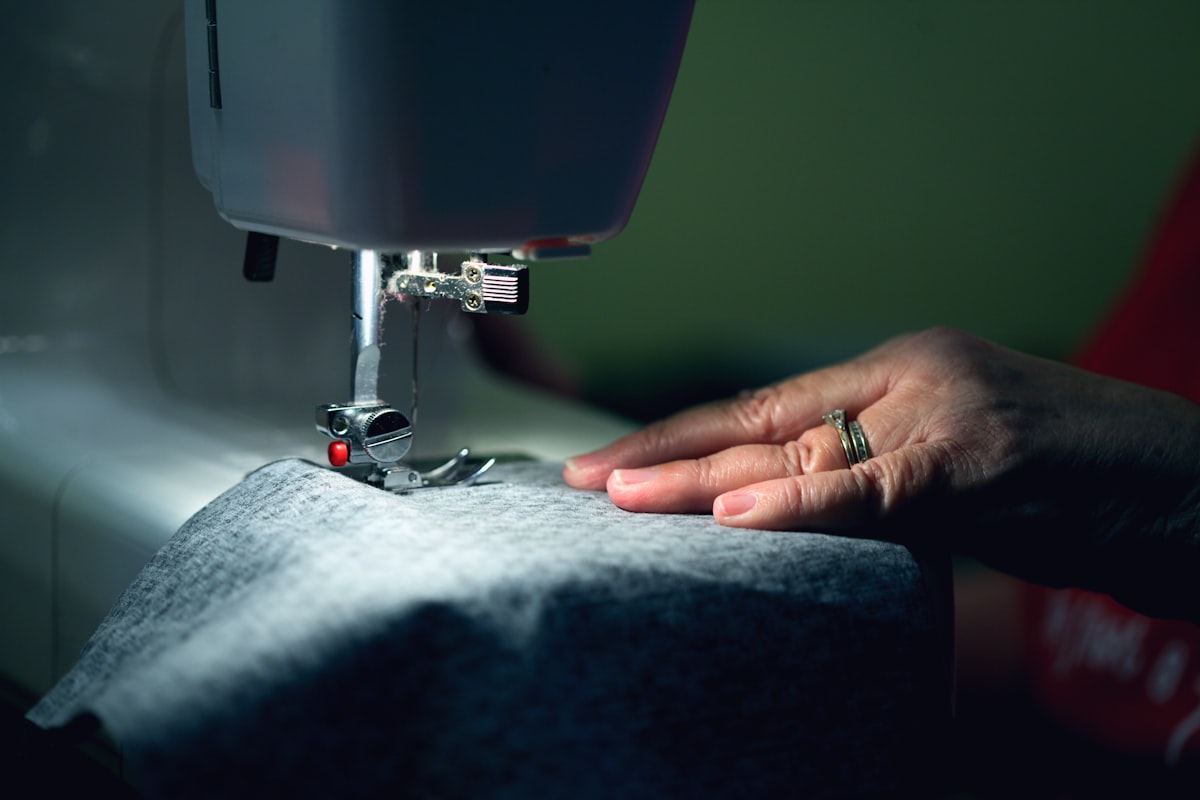
The Art of Alteration: How a Tailor Can Make Any Piece Yours
There is a reason the most elegant women in history never looked like they were wearing clothes. They looked like the clothes were made for them. Most of the time, they weren't — they were altered.
Alteration is one of the most underutilized tools in a modern wardrobe, and one of the most powerful. It is the difference between a blazer that looks borrowed and one that looks sculpted. Between trousers that pool at the ankle and ones that break perfectly over the instep. Between a dress you reach for every time and one that hangs in the back of the closet.
At Rue Trousseau, we believe that buying pre-owned is only the first act of care. The second — and often the more transformative — is alteration.
What a Tailor Can Actually Do
Most people associate alterations with hemming pants or taking in a dress. But a skilled tailor can do far more:
Fit adjustments:
- Taking in or letting out side seams on jackets, skirts, and trousers
- Raising or lowering a waistband
- Reshaping shoulders — the most structural alteration, and the one that matters most
- Tapering sleeves or adjusting sleeve length
- Darting the back of a shirt for a cleaner silhouette
Repairs that extend life:
- Replacing worn or broken zippers
- Reweaving small tears or moth holes in wool and cashmere
- Reattaching or replacing buttons with something more beautiful
- Reinforcing seams that have started to separate
- Relining a coat or jacket whose interior has aged
Customization:
- Removing shoulder pads from an 80s blazer to give it a modern drape
- Shortening a midi skirt to a mini, or a full-length coat to 3/4 length
- Converting a dress to a top, or a top to a crop
- Adding or removing a belt loop, a collar, a pocket
The range of what's possible is wider than most people realize — and the cost is almost always less than buying new.
The Shoulder Rule
If you learn one thing from a tailor, let it be this: buy for the shoulders, alter everything else.
Shoulders are the most expensive and structurally complex part of a garment to alter. A jacket with perfect shoulders that's too big through the body can be taken in for $40–80. A jacket with poor shoulders is nearly impossible to fix well, no matter the price.
This is especially relevant when shopping pre-owned. You may find a beautiful blazer that swims on you at the waist or chest. If the shoulders sit where they should — at the edge of your shoulder, not drooping toward your arm — it's worth buying. A tailor will handle the rest.
On Repair as an Act of Respect
There's something quietly radical about repairing clothing rather than replacing it. It says: this piece is worth caring for. This piece has a life beyond one season.
A cashmere sweater with a moth hole isn't ruined. A silk blouse with a pulled seam isn't done. A leather bag with a broken clasp isn't trash. These are materials with decades of life remaining — they only need attention.
The Japanese concept of kintsugi — repairing broken pottery with gold so the cracks become part of the beauty — applies here. A beautifully rewoven repair, an elegant replacement button, a new lining in a color you love: these are not compromises. They are acts of authorship.
Finding Your Tailor
A good tailor is one of the most valuable relationships in a woman's wardrobe life. Here's how to find one:
- Ask a well-dressed friend. The best tailors work by word of mouth.
- Bring a piece you love as a reference. Show them how something fits that already works for your body.
- Start with a simple alteration — a hem, a button — before bringing in something precious.
- Discuss, don't just drop off. A good tailor will ask questions. If they don't, that tells you something.
In Denver, dry cleaners with in-house tailors are often excellent and underused. Alterations studios near theater districts tend to have the most skilled hands — they work with difficult fabrics and unusual requests regularly.
A Note on Pre-Owned Pieces
When you shop the Rue Trousseau collection, you are choosing pieces we have already vetted for quality, construction, and longevity. Most are made from materials — wool, silk, cashmere, leather, quality cotton — that respond beautifully to alteration.
If you fall in love with something that isn't quite right in the fit, don't let that stop you. Note what needs adjusting, get a tailor's opinion, and factor in the cost. Nine times out of ten, a $30 alteration on a $180 piece is still a better investment than a $210 piece that fits adequately.
The most personal wardrobe isn't one full of expensive things. It's one full of things that fit — your body, your life, and your sense of exactly who you are.
Rue Trousseau is a curated pre-owned women's boutique based in Denver, Colorado. We believe in buying less, buying better, and caring for what you own.